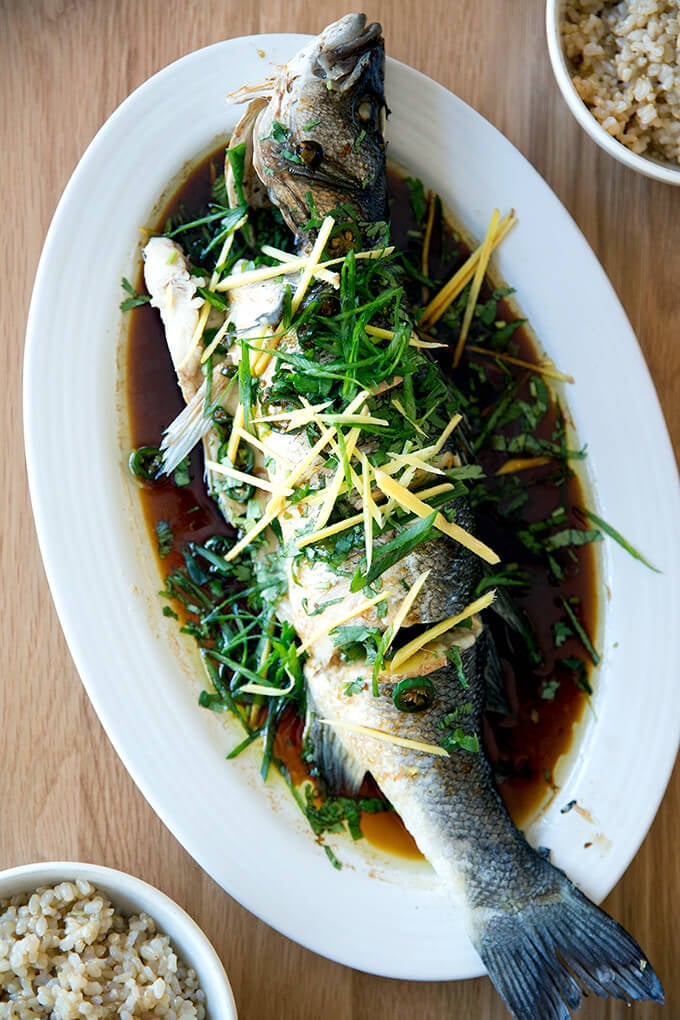
Chinese Steamed Whole Fish: A Culinary Masterpiece of Flavor and Tradition
There's an undeniable allure to a perfectly cooked whole fish, especially when prepared in the traditional Chinese style. More than just a meal, Chinese style steamed whole fish with ginger and scallions is a celebration of freshness, a symbol of good fortune, and a testament to the elegant simplicity of Cantonese cuisine. For many, the idea of cooking a whole fish at home might seem daunting, perhaps even a dish best left to experienced restaurant chefs. However, we're here to demystify this culinary gem, proving that its exquisite flavors and traditional charm are well within reach of any home cook.
This dish, celebrated for its delicate texture and vibrant aromatics, showcases how a few high-quality ingredients can create something truly extraordinary. Imagine tender, flaky fish infused with the bright zest of ginger and the mild sharpness of scallions, all brought together by a savory, sizzling sauce. It's an experience that tantalizes the senses and elevates any dining occasion, transforming a simple dinner into a memorable feast. If you've ever shied away from preparing a whole fish, prepare to have your perceptions delightfully challenged.
The Enduring Appeal and Cultural Significance of Steamed Whole Fish
The visual impact of a whole fish, head to tail, presented on a platter, holds deep cultural significance in Chinese cuisine. It symbolizes prosperity, abundance, and unity, often gracing celebratory tables during Lunar New Year, weddings, and other festive gatherings. Beyond its symbolic weight, its culinary appeal is profound. Unlike filleted fish, cooking a whole fish yields a richer flavor and a more succulent texture, particularly around the collar and belly – often considered the most prized parts by connoisseurs. The bones and skin contribute to the overall moisture and depth of flavor, ensuring the flesh remains incredibly tender and juicy.
While some might find the presence of the head, tail, and fins a "hard sell," we encourage you to embrace the authentic experience. This particular Chinese preparation, focusing on clean flavors and the natural sweetness of the fish, is designed to highlight the beauty of the whole specimen. The combination of fresh fish with the potent aromatics of ginger and scallions, finished with a quick burst of hot oil and a savory soy dressing, creates a harmony that is both sophisticated and incredibly comforting. It’s a dish that proves simple ingredients, when handled with respect, can achieve culinary greatness.
Mastering the Art of Steaming: Your Step-by-Step Guide
The secret to an exceptional Chinese style steamed whole fish with ginger and scallions lies in meticulous preparation and precise steaming. Don't worry; "meticulous" doesn't mean complicated. It simply means paying attention to a few key details that elevate the dish from good to extraordinary.
1. Selecting and Preparing Your Fish
- Choose Wisely: The foundation of this dish is fresh fish. Look for a whole fish around 1.5 to 2 pounds – ideal for quick, even steaming. Branzino is a popular choice due to its delicate flavor and manageable size, but other excellent options include snapper, tilapia, black bass, or even cod. Always ensure the fish is fresh: clear, bulging eyes; bright red gills; firm, shiny skin; and a clean, oceanic smell.
- Score for Success: Using a sharp knife, make three or four diagonal slits, about 1-inch deep, on each side of the fish, cutting through the skin to the bone. These scores allow for even cooking and ensure the aromatics penetrate deeper into the flesh.
- Pat Dry & Season Lightly: Thoroughly pat the fish dry with paper towels, inside and out. This helps the skin firm up and prevents a watery finished product. Season generously with a pinch of salt. While some recipes call for pepper, many traditional preparations focus solely on salt to let the fish's natural flavors shine.
- Aromatic Infusion: This is where the magic begins. Insert a coin of ginger and a piece of scallion into each slit. Then, generously stuff the fish cavity with a good handful of remaining ginger slices and scallion whites. For an extra layer of freshness, some cooks also tuck in a few sprigs of fresh cilantro.
2. Setting Up Your Steamer
Proper steaming setup is crucial for even cooking and maximum flavor infusion. You'll need a large pot with a lid (a wok is ideal due to its wide base) and a steamer basket or a heat-proof plate placed on a rack above the water.
- The Aromatic Bed: To prevent the fish from sticking and to infuse it with even more flavor, create a bed of aromatics directly in your steamer basket or on the heat-proof plate. Lay the remaining ginger, scallions (green parts are fine here), and cilantro (if using) beneath where the fish will rest. This elevates the fish slightly, allowing steam to circulate fully, and bathes it in fragrant vapors.
- Water Level: Pour about 2 inches of water into your large pot or wok. Ensure the water level is below your steamer basket or rack, so the fish isn't submerged.
3. The Steaming Process
Steaming is a gentle cooking method that preserves the fish's delicate texture and nutrients.
- Bring to a Boil: Bring the water in your pot to a rolling boil over high heat.
- Introduce the Fish: Carefully place the prepared fish on its aromatic bed into the steamer basket. If using sake or Shaoxing wine (a wonderful addition for depth of flavor), pour a splash directly over the fish now.
- Cover and Steam: Cover the pot tightly with its lid. Reduce the heat to medium-low, maintaining a steady simmer. Steam for approximately 9-10 minutes. The exact time will vary based on the fish's size and thickness; a good rule of thumb is 8-10 minutes per inch of thickness at its thickest part.
- Check for Doneness: The fish is ready when its flesh becomes opaque throughout and flakes easily with a fork. Be careful not to oversteam, as this can result in a dry, rubbery texture.
- Transfer: Once cooked, carefully transfer the steamed fish to a warm serving platter, discarding the spent aromatics from the steamer bed.
For a deeper dive into perfecting this method and ensuring every step is flawless, explore our guide on How to Master Authentic Chinese Steamed Whole Fish at Home.
The Sizzle and Finish: Crafting the Iconic Sauce and Garnish
The final flourish is what truly transforms the steamed fish into the iconic dish we know and love. This two-part finish—a vibrant soy sauce mixture and a sizzling hot oil pour—adds layers of flavor, aroma, and a satisfying theatricality.
1. The Signature Soy Sauce Mixture
This simple yet potent sauce brings together the core flavors of Chinese cuisine:
- Ingredients: In a small bowl, whisk together a blend of light soy sauce, a touch of sugar (to balance the saltiness and add a subtle sweetness), a dash of sesame oil for its nutty aroma, and optional chili flakes or a small amount of finely minced chili for a gentle kick.
- Preparation: Set this mixture aside; it will be heated at the very end.
2. The Sizzling Hot Oil
This step is not just for visual drama; it's fundamental to the dish's flavor and aroma.
- Heat the Oil: In a small saucepan, heat a few tablespoons of neutral oil (like grapeseed, canola, or peanut oil) over high heat until it just begins to shimmer and lightly smoke, almost fizzling. This intense heat is key.
- The Aromatic Shower: Gather your fresh garnishes: finely julienned scallions (green parts), thin slices of ginger, and fresh cilantro leaves. Arrange these generously over the hot, steamed fish. Now, carefully pour the scorching hot oil directly over the garnishes and the fish. You'll hear an immediate, satisfying sizzle as the hot oil cooks the fresh aromatics, releasing their full fragrance and slightly softening them, adding an irresistible aroma and sheen to the dish.
Pro Tip: Some chefs swear by placing the fresh herbs on the fish *before* the hot oil, allowing the oil to flash-cook them and release their essential oils directly onto the fish. Experiment to find your preferred method!
3. The Grand Finale
Almost there! The final step brings the entire dish together.
- Heat the Sauce: Return your saucepan (or use a fresh one) to the burner. Pour in the reserved soy sauce mixture. Heat it quickly until it just bubbles up – this happens almost instantaneously due to the hot oil residue and the sauce's composition.
- Pour and Serve: Immediately pour the hot, bubbling sauce evenly over the fish. The combination of hot oil and hot sauce creates a tantalizing aroma and ensures every flake of fish is bathed in savory goodness.
Serve your magnificent chinese style steamed whole fish with ginger and scallions immediately, accompanied by bowls of fluffy steamed white rice. The rice is perfect for soaking up every drop of the flavorful sauce. Many believe restaurant-quality Chinese dishes are hard to replicate, but this recipe proves otherwise. Learn more about how to Unlock Restaurant-Quality Chinese Steamed Fish, Made Easy.
Tips for Success & Why This Dish is a Must-Try
Achieving a restaurant-quality steamed fish at home is surprisingly straightforward once you grasp a few fundamental principles:
- Freshness Above All: We cannot stress this enough. The delicate flavor of steamed fish means there's nowhere for imperfections to hide. Invest in the freshest fish you can find.
- Do NOT Oversteam: This is the cardinal rule. Oversteaming turns delicate fish into rubber. Keep an eye on the clock and trust the visual cues (opaque flesh, easy flaking).
- Customize Your Heat: Adjust the amount of chili in the sauce to suit your preference. A little heat complements the ginger and scallions beautifully without overpowering the fish.
- Embrace the Whole Fish Experience: Don't be intimidated by the bones or head. These elements contribute immensely to the flavor and moisture. Learning to navigate a whole fish at the table is part of the authentic experience.
- Balance is Key: The harmony between the savory soy, aromatic ginger and scallions, and the delicate fish is what makes this dish shine. Taste your sauce before pouring and adjust as needed.
Beyond its incredible taste, this preparation is also remarkably healthy. Steaming is a gentle cooking method that requires minimal added fat, preserving the fish's natural nutrients and flavors. It's a dish that feels indulgent without being heavy, making it perfect for a light yet satisfying meal.
For those who've always ordered steamed whole fish at their favorite Chinese restaurant, fearing it couldn't be replicated at home, this recipe is a revelation. It proves that the simplicity of the ingredients and the straightforward cooking method yield results that are every bit as delicious and authentic as what you'd find in a top-tier eatery. It’s a fun, engaging dish to make, and the reward—a flavorful, moist, and aromatic fish—is truly priceless.
Conclusion
The Chinese style steamed whole fish with ginger and scallions is far more than just a recipe; it's an invitation to explore a rich culinary tradition marked by its elegance and profound flavors. From the careful selection of fresh ingredients to the theatrical sizzle of hot oil, each step contributes to a dish that is both simple in concept and sophisticated in taste. By embracing this accessible method, you not only unlock the secrets to a restaurant favorite but also bring a piece of auspicious Chinese culture and incredible flavor directly to your home kitchen. So, take the plunge, gather your ingredients, and prepare to be amazed by the delicious reward of this timeless classic.
